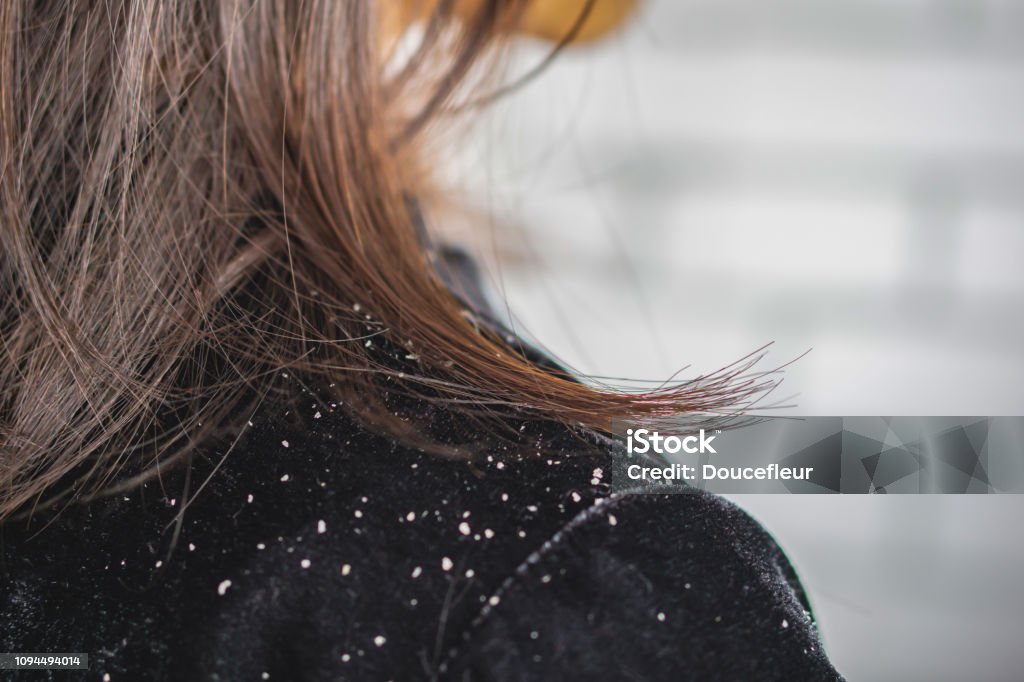
Have you ever noticed tiny white flakes falling from your scalp onto your shoulders? That’s dandruff — one of the most common scalp issues affecting people of all ages.
It’s not dangerous, but it can be annoying, itchy, and embarrassing, especially when it shows up on dark clothes.
Let’s understand what dandruff really is and why it happens.
🧴 Understanding Dandruff
This is basically the shedding of dead skin cells from your scalp — but in larger amounts than normal.
Usually, our scalp renews skin cells naturally. But when this process speeds up, dead cells clump together with oil (sebum), forming visible flakes.
These flakes may fall off or stick to the scalp and hair.
🦠 The Main Culprit: Malassezia Fungus
One of the biggest reasons behind this is a fungus called Malassezia.
This yeast-like fungus naturally lives on everyone’s scalp, feeding on sebum.
But when it grows too much, it irritates the scalp and causes excessive cell shedding — leading to it.
🔍 Common Causes
Several factors can trigger this or make it worse:
-
Oily scalp – Too much oil helps the fungus grow faster.
-
Dry skin – Especially in winter, when the scalp loses moisture.
-
Irregular shampooing – Not washing often can cause oil and flakes to build up.
-
Hair products – Some gels or sprays can irritate the scalp.
-
Stress and poor diet – They can affect your scalp’s natural balance.
⚖️ Types of Dandruff
There are a few different types you might encounter:
-
Dry dandruff: Small, white, powdery flakes — common in dry weather.
-
Oily dandruff: Larger, yellowish flakes that stick to the scalp and cause itching.
-
Fungal dandruff: Caused by overgrowth of Malassezia, often with redness or irritation.
Knowing which type you have helps in choosing the right remedy or shampoo.
🩺 Is It a Disease?
Not exactly. Dandruff itself isn’t a disease, but sometimes it’s a mild form of seborrheic dermatitis, a skin condition that causes redness, oiliness, and flaking — not just on the scalp, but also on eyebrows, beard, and sides of the nose.
In most cases, it can be controlled with proper hair care, home remedies, or medicated shampoos.
🌿 Final Thoughts
Dandruff might seem small, but it can affect your confidence and comfort.
Understanding its causes is the first step to managing it effectively.
Once you know what triggers your flakes, you can choose the right treatments — whether it’s natural oils, diet changes, or anti-dandruff shampoos.
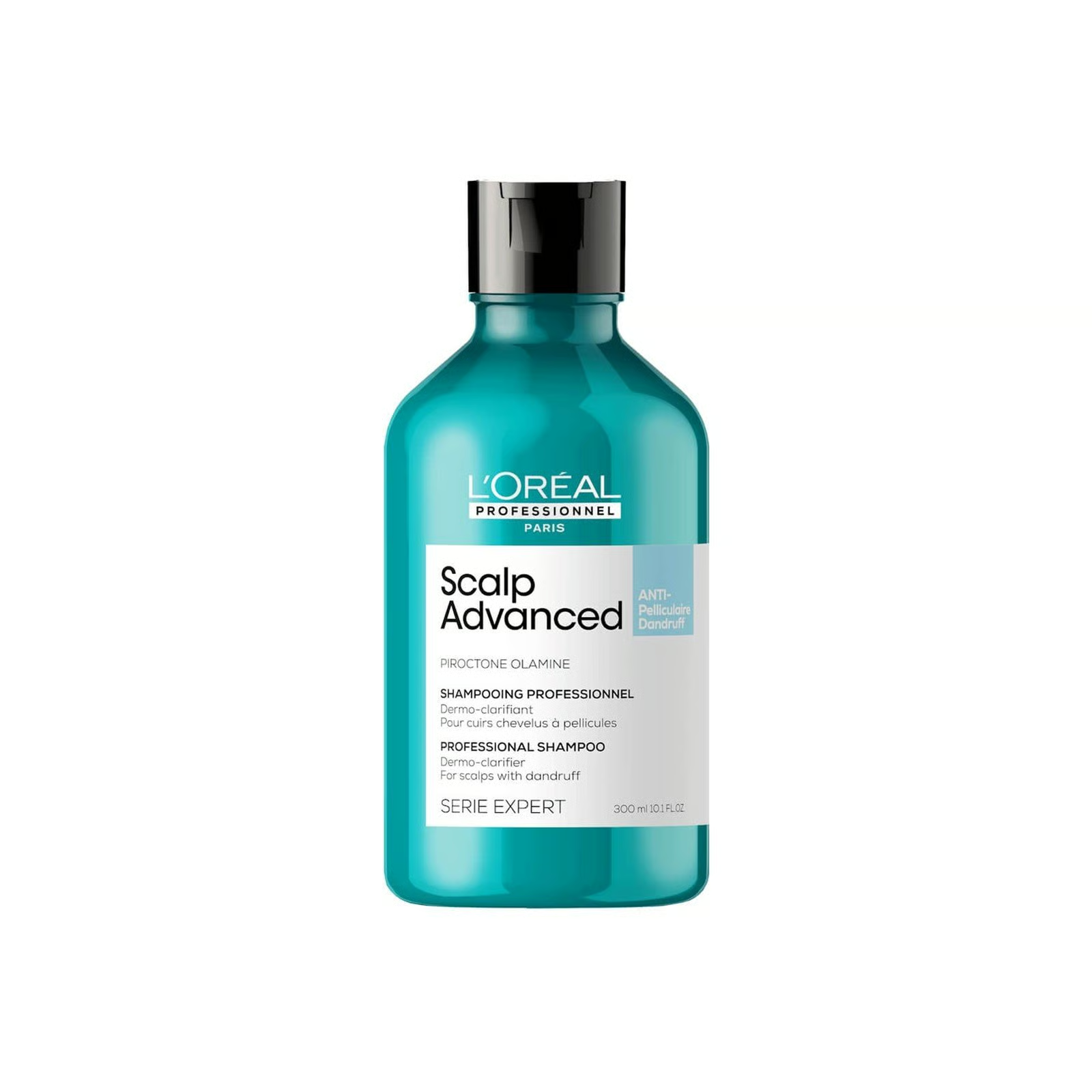
L’Oréal Professionnel Scalp Advanced Anti-Dandruff Dermo-Clarifier Shampoo 300ml